
How To Dispute a Prenuptial Agreement in Your Virginia Divorce
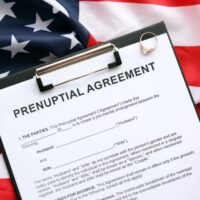
Signing a prenuptial agreement before a wedding can feel like a formality. Years later, when a marriage ends, those terms can carry enormous financial weight. If you felt pressured into signing or the agreement is unfair or fails to include certain assets, you may be able to challenge the terms.
Our experienced Virginia divorce lawyer explains the circumstances in which you may be able to dispute a prenuptial agreement, as well as common provisions that don’t hold up in court.
What Virginia Law Says About Prenuptial Agreements
If you are going through a divorce in Virginia and have a prenuptial agreement in place, it’s important to be aware of how it could impact your rights under the Virginia Code. Virginia’s Premarital Agreement Act sets clear rules for when a prenup is valid and when it can be thrown out in divorce proceedings.
Under Section 20-151 of the Virginia Code, a prenup may not be enforceable if the spouse challenging it can show at least one of the following:
- You signed the prenuptial agreement under fraud or duress.
- You were not given a reasonable amount of time to review it or to consult your own lawyer.
- The agreement is unconscionable, meaning it unfairly benefits one of the parties.
- One of the spouses failed to give a thorough accounting of all assets and debts.
A prenuptial agreement entered into under any of these circumstances can be declared invalid by the Virginia Family Court, meaning you no longer have to abide by the terms.
Common Provisions Courts Won’t Enforce in Virginia Prenuptial Agreements
Creating a prenuptial agreement in Virginia can be helpful for couples about to get married. It provides clarity on financial matters, opens up lines of communication, and helps supplement estate plans. Of course, it also dictates the terms in the event of a divorce.
However, even a properly signed and fully disclosed prenuptial agreement has limits. Some provisions that appear in prenuptial agreements cannot be enforced under Virginia law, regardless of what the document says. These include:
- Provisions regarding child custody arrangements or child support.
- Terms that violate public policy or attempt to incentivize divorce.
- Clauses based on fraudulent financial information.
- Oral modifications made after the wedding.
Even with a valid Virginia prenup, the court may modify the terms. Judges consider the broader picture when deciding issues such as property division and spousal support. A clause that seemed reasonable at the time your prenuptial agreement was put in place may seem unfair now, particularly after a long marriage or a dramatic change in finances.
Contact Our Experienced Virginia Divorce Lawyers
Prenuptial agreements can limit your rights in a Virginia divorce, but there are circumstances in which you can challenge the terms. At Schwartz Kalina, PLLC, our experienced Virginia divorce lawyers can thoroughly review your prenup, identify potential weaknesses, and protect your rights in court. Give our office a call or contact us online today to request a consultation.
Sources:
law.lis.virginia.gov/vacodefull/title20/chapter8/ https://law.lis.virginia.gov/vacode/title20/chapter8/section20-151/ loudoun.gov/114/Juvenile-Domestic-Relations-District-Cou
